
Day 1 :
Keynote Forum
Donald J Ferguson
European University College, UAE
Keynote: Augmented Corticotomy with Orthodontics for Accelerated Tooth Movement

Biography:
Dr. Ferguson is Professor of Orthodontics and Dean, European University College at Dubai Healthcare City, United Arab Emirates. He is formerly Professor and Chair of Orthodontics at Boston University and has held the positions of Executive Director, Center for Advanced Dental Education and Associate Dean for Dental Education, Saint Louis University, and Chair of Orthodontics and Director, Advanced Orthodontic Training Program, Marquette University. Dr. Ferguson is a diplomate of the American Board of Orthodontics (ABO) and past president of the EH Angle Society, Midwest Component. He served as a senior Fulbright scholar (a US national scholar award) at Alexandria University, Egypt, and has lectured extensively at university, regional, national and international forums. He received all of his professional dental degrees in the USA. Research interests include accelerated tooth movement. He has authored over 100 articles and abstracts for professional journals and publications as well as contributed chapters to several textbooks.
Abstract:
Periodontally Accelerated Osteogenic Orthodontics (PAOO) combines alveolar decortication plus augmentation grafting technique to accelerated orthodontic tooth movement. Fixed orthodontic appliances are placed followed within 1 week by full thickness flap surgery and scaring of facial-lingual alveolar cortices. The patient is seen every 2 weeks following the procedure. Rapid tooth movement results from the transient demineralization-remineralization (osteopenia) produced within the alveolus, i.e. increased bone turnover. Benefits of PAOO therapy include: 1) active orthodontic treatment times averaging 6 months, 2) greater scope of malocclusion treatment, 2) greater stability of clinical outcomes and less relapse, and 3) increased alveolar volume and enhanced periodontal health.
Tensional integrity or “prestress” keeps hydrostatically contained dento-alveolar tissues sensitive to and prepared for changes in the biomechanical environment. Sustained orthodontic forces translated at nano-level in the multiple microenvironments involved in tooth movement are reflected at all length scales including the organ-level. The biomechanical stresses introduced by intentional wounding in PAOO technique “tricks” the body by signaling local micro-fracture level microstrain and regional acceleratory phenomena (increased turnover and demineralization, i.e. transient osteopenia) is initiated. In other words, PAOO patient tissues go into hyper-activity in order to bring excessive microstrain back to steady state homeostatic levels which provide the orthodontist with the golden opportunity to accelerated tooth movement. The lesson learned from wound healing is that tensional readiness and the remarkable ability for maxillofacial tissue to accommodate to changes in tissue tension can be used to accelerate tooth movement. The host response is remarkably local and so PAOO surgery is used strategically to move certain teeth or tooth groups. Applying tensional integrity concept explains all variations in individual patient response to treatment and all experimental data from accelerated tooth movement investigations. The prevailing pressure-tension concept does not clearly explain the tooth movement phenomena and a PDL cell-mediated focus needs revisiting.
Keynote Forum
Diego Lops
University of Milan, Italy
Keynote: Real Esthetics of the Frontal Area: Mith or Reality?

Biography:
Abstract:
The patients high demanding expectations are actually to be carefully considered by the clinicians for a correct treatment plan in the treatment of anterior areas. Several new components are available for the manufacturing of implant abutments, crowns and veneers. These materials can by provided with cad-cam solutions (titanium, gold-hue titanium, zirconia), while ceramic veneers can be heat-pressed with 0.2-0.3 mm of thickness; such prosthetic solutions have to be considered as a part of a global esthetic treatment plan aiming to the armony of the whole frontal area.
Nevertheless, before the prosthetic resolution of the high demanding clinical case, a correct surgical treatment should be followed; an adequate implant selection, a correct 3D implant placement, a correct soft tissues management will be crucial to finalize the treatment with the proper prosthetic solution.
The surgical and prosthetic workflow will be carefully described by following the data available in the international literature.
Keynote Forum
Les Kalman
Western University, Canada
Keynote: Digitizing the facebow: A communication tool for implantology
Biography:
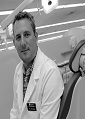
Les Kalman is an assistant professor in restorative dentistry and Chair of the DOCS program at the Schulich School of Medicine & Dentistry at Western University. The Dental Outreach Community Service (DOCS) program is a component of the senior dental curriculum that provides free dentistry to those with no other economic means. Kalman’s research focus includes medical devices & technologies relevant to clinical dentistry, with the intent of short-term industry translation. He has developed and translated what is now the Max Align, available through Whip Mix. He is also the founder and President of Research Driven, a corporation that manages intellectual property related to medical device technology. Kalman has authored articles ranging from pediatric impression to immediate implant surgery in Canadian and International journals. He is a member of the ITI, AO, AAID and the ICOI. He has been recognized as an Academic Associate Fellow (AAID), Fellow, Master and Diplomate (ICOI) and will be receiving the Schulich Alumni of Distinction Award in October. In his spare time, Kalman enjoys photography as an accredited MotoGP photojournalist.
Abstract:
Communication between the clinician and technician has been an ongoing problem in dentistry. To help improve the issue, a dental software application has been developed – the Virtual Facebow App. It is an alternative to the traditional analogue facebow (AF), used to orient the maxillary cast in mounting. Comparison data of the two methods indicated that the digitized virtual facebow provided increased efficiency in mounting, increased accuracy in occlusion and cost. Occlusal accuracy, lab and total time were statistically significant (P<0.05). The virtual facebow (VF) provides a novel alternative for cast mounting and another tool for clinician-technician communication.
Keynote Forum
Eriberto Bressan
University of Padova, Italy
Keynote: Fixed prosthesis supported by implants- New possibilities of retention: Faster, simpler and more effective

Biography:
Eriberto Bressan has obtained his Graduate of Dentistry and Dental Prosthesis Program in 1994 with top grades and Honors specialized in Orthodontics in 2001 at the University of Padua. He is the Scientific Head and Lecturer of the Master’s in Osseointegrated Implantology Advanced Course at the University of Padua and also the Specialization Course: Computer-guided implant surgery, at the University of Padua. He is the Director of Research Dentistry centre at University of Padua and has obtained PhD in Molecular Biology and Biotechnologies. He serves as the Chair of Periodontology and Implantology at the University of Padua (Italy) and also as a Speaker at National Congresses. He is the author of numerous publications in Italian and international research journals.
Abstract:
Nowadays, dental implantology is a reliable technique for treatment of partially and completely edentulous patients. The achievement of stable dentition is ensured by fixed dental prostheses. Morse taper system can provide fixed retention between implants and dental prosthesis without cement or screw. This system presents advantages both for clinician and patients, in term of time, cost and biological point of view. This prosthesis is fixed for patient but easy to remove for dentist and this system could help to maintain the health of soft peri-implant tissue. Actually, data on both in vitro and clinical performance of Cone-Morse retention are available, to confirm such trend on alternative of implant-supported restoration.
- Oral and Dental Health
Session Introduction
Simone C H Regalo
University of Sao Paulo, Brazil
Title: Evaluation of the stomatognathic system in children with need treatment orthodontic
Biography:
Simone C H Regalo is a Titular Professor in the Department of Morphology, Physiology and Basic Pathology, RibeirãoPreto Dental School, University of São Paulo. She is leader of the CNPq research groups: Electromyography and the Multidisciplinary Center for Research in Bone Tissue. She has published more than 30 papers in reputed journals and has been serving as an Editorial Board Member of repute.
Abstract:
Statement of the Problem: Development of dental occlusion is a prerequisite for the success of any dental intervention.
Aim: The objective of this study was to evaluate the EMG activity of masticatory and perioral muscle; mandibular mobility; maxilla and mandible strength and tongue pressure in children with need treatment orthodontic.
Methodology & Theoretical Orientation: 64 children were selected and divided into three groups judged by the Index of Orthodontic Treatment Need (IOTN) criteria: GI: grade 1 (n=26; mean age 8.00±0.44), GII: grade 2 (n=28; mean age 8.89±0.44, n=26) and GIII:grade 3 (n=10; mean age 8.00±0.59) This study was approved by the Ethics Committee in Research of the School of Dentistry of RibeirãoPreto, University of São Paulo. Assessment of muscles activities were performed by EMG recordings of the right masseter (RM), left masseter (LM), right temporal (RT), left temporal (LT), orbicularis oris muscle, upper segment (right and left side) during rest, right and left laterality, maximum voluntary contraction with and without Parafilm M® and protrusion. Surface EMG was performed using TrignoTM Wireless (System Delsys). T-Scan® III Occlusal Analysis System was used to evaluate the intensity of the maxilla and mandible strength by maximum voluntary contraction. Tongue pressure was evaluated by Iowa Oral Performance Instrument (IOPI). The mandibular mobility was measured using a calliper.
Findings: The data obtained were tabulated and subjected to statistical analysis (SPSS 22.0; ANOVA; P<0.05). EMG activity was significant for rest: RM [(I= 0.08±0.01), (II=0.08±0.01), (III=0.24±0.09]; RT [(I=0.15±0.02), (II=0.16±0.03), (III=0.33±0.10]; protrusion: LT [(I=0.11±0.01), (II=0.14±0.02), (III=0.24±0.08]; right laterality: RM [(I=0.10±0.01), (II=0.16±0.03), (III=0.43±0.10]. There was no statistically significant difference for EMG activity of the orbicularis oris muscle, tongue pressure, mandibular mobility and maxilla/mandible strength.
Conclusion & Significance: The authors concluded that children in grade 3 (IOTN) showed
hyperactivity of mastication muscles and reduction in the pressure tongue.
Shinichi Arakawa
Tokyo Medical and Dental University, Japan
Title: Clinical application of ozone nano-bubble water (NBW3) to peri-implantitis treatment
Biography:
Shinichi Arakawa has graduated from Dental School, Tokyo Medical and Dental University in 1986. He has completed his PhD from Tokyo Medical and Dental University and Post-doctoral studies from University of Texas, Health Science Center at San Antonio and State University of New York at Buffalo. He is the Professor of Department of Lifetime Oral Health Care Science, Graduate School of Medical and Dental Sciences, Tokyo Medical and Dental University.
Abstract:
Peri-implantitis are chronic inflammatory diseases caused by microorganisms residing in sub-gingival bio-film. Elimination of pathogen-containing bio-films remains the primary goal of the treatment for these diseases. The topical use of a low-cost, broad-spectrum antiseptic agent with low potential for adverse reactions is also preferable in treating peri-implantitis. Ozone (O3) is attracting attention as a possible alternative antiseptic in the dental field as well as food industries. The high stability of Ozone Nano-Bubble Water (NBW3) allows for bottling and use as a disinfectant solution. A nano-bubble is less than 100 nm in diameter, and is produced by the collapse of a micro-bubble (≤50μm in diameter) in an electrolyte solution. NBW3 retains ozone gas in the form of nano-bubble, and therefore can exert anti-microbial activity for more than 6 months if it is protected against exposure to ultraviolet rays. We have used NBW3 to the peri-implantitis patients. Clinical parameter indicated that surgical treatment was necessary according to the Cumulative Interceptive Supportive therapy (CIST). Two kinds of procedures were applied to this patient. One was mechanical plaque control and the other one was a chemical plaque control (sub-gingival irrigation) with NBW3 by using WaterPikTM. Twelve weeks later, the resorbed alveolar bone around the implants has been regenerated up to 4mm in height. These results suggested that the irrigation with NBW3 might be a promising adjunctive therapy for peri-implantitis. The use of NBW3 as an adjunct to the therapy for peri-implantitis would be promising.
Sara Mohamed Ibrahim
Al-Neelain University, Sudan
Title: Nurses’ knowledge, attitude and practice of oral care for intensive care unit patients
Biography:
Abstract:
The aim of this study was to describe the intensive care unit (ICU) nurses’ knowledge, attitude, and practice of mouth care for their patients. This is a cross sectional hospital based study. A total of 154 ICU nurses were randomly selected from seven government hospitals in Khartoum state and were invited to take part in this study. 97.4% of ICU nurses had high knowledge of the importance of mouth care for ICU patients and similarly for the priority of mouth care. However, only 20% of nurses were found to apply good practice. 64.5% of the nurses received training in mouth care provision, and (81%) indicated that further training would be beneficial. The oral care practice of ICU nurses ranged between average among 57% and poor among 23%. The study highlighted the need for setting of ICU protocols and adoption of advanced training for ICU nurses.
Simone C H Regalo
University of Sao Paulo, Brazil
Title: Relationship between the dentition phases with electromyographic activity, tongue pressure, mandibular mobility and maxilla/mandible strength
Biography:
Prof. Dr. Simone Cecilio Hallak Regalo is titular professor in the Department of Morphology, Physiology and Basic Pathology, Ribeirão Preto Dental School, University of
São Paulo. She is leader of the CNPq research groups: Electromyography and the Multidisciplinary Center for Research in Bone Tissue. She has published more than
30 papers in reputed journals and has been serving as an editorial board member of repute.
Abstract:
Statement of the Problem: The dentition phases are associated with craniofacial growth and functions of the stomatognathic system. The objective of this research analyzed dentition phases by electromyographic activity, maxilla/mandible strength, tongue pressure and mandibular mobility. Methodology & Theoretical Orientation: 64 children were divided into three groups judged by the dentition phases: DG: deciduous dentition (mean age 4.65±0.21), MG: mixed dentition (mean age 8.30±0.28) and PG: permanent dentition (mean age 11.33±2.25) This study was approved by the Ethics Committee in Research of the School of Dentistry of Ribeirão Preto, University of São Paulo. Assessment of muscles activities were performed by EMG recordings of the right masseter (RM), left masseter (LM), right temporal (RT) and left temporal (LT) during rest, right and left laterality, maximum voluntary contraction with and without Parafilm M and protrusion. Surface EMG was performed using Trigno Wireless (Delsys). T-Scan III Occlusal Analysis System was used to evaluate the intensity of the maxilla/mandible strength by maximum voluntary contraction. Tongue pressure was evaluated by IOPI and the mandibular mobility (maximum opening of the mouth, laterality and protrusion) was measured using a calliper. Findings: The data obtained were tabulated and subjected to statistical analysis (SPSS 22.0; ANOVA; P<0.05). Statistically significant differences were found for mandibular mobility at maximum mouth opening [(DG=41.50±1.60), (MG=46.67±0.81), (PG=49.33±2.36)]. There was no statistically significant difference for EMG activity, maxilla/mandible strength and tongue pressure. In the EMG activity, the deciduous dentition presented higher values during protrusion (RM; LM; RT), right laterality (LM; RT) and left laterality (LM). The mixed dentition presented higher values at rest to all muscles and the permanent dentition showed higher value at maximum voluntary contraction. In the tongue pressure the permanent dentition presented higher value. Conclusion & Significance: There is relationship between the phases of the dentition with of the stomatognathic system functions.
Victor Edson Rogerio
Universidade Federal de Sao Paulo, Brazil
Title: The tooth as a monitor of cholestatic liver disease in rats
Biography:
Victor Edson Rogerio is a Dentist who has worked in a group, taking care of children, who were undergoing a live transplantation program. The aim of the group was to assist those children and prepare their mouths for the surgery, and avoid infections from the oral cavity; which could interfere in the systemic health, or even lead to the graft loss, and patient death. This publication is part of the research project, he has accomplished for the master degree program.
Abstract:
Statement of the Problem: The cholestatic liver disease (CLD) leads to systemic metabolic consequences, causing comorbidities of difficult treatment and high mortality. If it does not have an early diagnostic, the only chance of patient’s survival is liver transplantation. The progression of a persistent CLD is associated to clotting disorders and increasing of the infections risk. These patients are usually subjected to multiple blood collections by venipuncture to monitor the progression of their liver disease, but these morbidities can become an ordinary blood collection, by venipuncture, very threatening to these patients. CLD patients’ have shown greenish tooth due to the intrinsic and progressive deposition of bilirubin, which is a porphyrin. In those circumstances, if it were possible to correlate the deposition of bilirubin with progression of the disease by a noninvasive method, that would be of a great value in the clinical management of the CLD patients.
Methodology & Theoretical Orientation: After confirming the capacity of DIAGNOdent to measure varying bile concentrations in plaster blocks, a cholestatic liver disease model was studied to detect increasing bilirubin impregnation in the teeth of rats. Wistar-EPM rats (n ¼ 50) were divided into three groups: (1) BDL: rats submitted to bile duct ligation (BDL); (2) Naıve: rats without procedure; and (3) Sham: rats submitted to laparotomy without BDL (n ¼ 10/period/group). The rats’ teeth were monitored with the use of DIAGNOdent
before the procedure and at days 10 and 50 following surgery. Serum bilirubin was also monitored.
Findings: Tests in vitro showed that DIAGNOdent detected bile in plaster blocks according to its concentration. BDL promoted progressive liver dysfunction, with death occurring approximately 50 days later. DIAGNOdent values obtained on teeth showed correlation with the progression of serum hyperbilirubinemia.
Conclusion & Significance: The tooth was found to be a good tissue for noninvasively monitoring the progression of bilirubinemia in cholestatic liver disease in rats by using DIAGNOdent.
Kishan M Sheth
King’s College London Dental School, UK
Title: Periodontitis and cancer: Does a link exist?
Biography:
Kishan M Sheth has published in several internationally renowned dental magazines. His work has recently been accepted into his first international peer reviewed journal, the Journal of Dental Health, Oral Disorders and Therapy. He has presented at 2 national conferences and has also lectured alongside PhD level students in the past for the London Materials' Society on the topic of MI dentistry. He was recently asked to give interviews for the British Dental Journal and Dental Town. Over the past two years, he has been working on a publication with Dr. Mandeep Ghuman entitled, 'Periodontitis and Cancer: Is there a link?'
Abstract:
The purpose of this presentation is to carefully analyse the research findings to date regarding a potential link between periodontitis and carcinogenesis; to evaluate, critically review and explore the variety of potential study confounders and study criteria differences which suppress the accuracy and validity of the relationship claims being made; to gain an appreciation of the biological plausibility of mechanisms which could be underpinning the relationship between the two diseases; and finally to conclude whether the current level, findings and quality of research is accurate in supporting the existence of the periodontitis – cancer link. I will assess the potential link between periodontitis and several cancerous tumour types, and analyse the evidence regarding the biological plausibility for the potential association between periodontitis and cancer. The strongest association is present between periodontitis and oral cancer, since each of the three studies looked into show a statistical link between both diseases. The International burden of cancer has risen every year, a trend that has been paralleled by the increase in periodontitis cases. Research undertaken by GLOBOCAN (2012) states there were 7.6 million global cancer cases in 2008, and in 2012 there were 14.1 million global cancer cases, an increase of 84%. Although there is a lack of recent statistical data related to periodontitis cases, between the years 1997 and 2005, there was an increase of 27% of adults aged between 35 and 44 who had periodontal pocket depths greater or equal to 4 millimetres
- Oral Implantology
Session Introduction
Eriberto Bressan
University of Padova, Italy
Title: Fixed prosthesis supported by implants- New possibilities of retention: Faster, simpler and more effective
Biography:
Eriberto Bressan has obtained his Graduate of Dentistry and Dental Prosthesis Program in 1994 with top grades and Honors specialized in Orthodontics in 2001 at the University of Padua. He is the Scientific Head and Lecturer of the Master’s in Osseointegrated Implantology Advanced Course at the University of Padua and also the Specialization Course: Computer-guided implant surgery, at the University of Padua. He is the Director of Research Dentistry centre at University of Padua and has obtained PhD in Molecular Biology and Biotechnologies. He serves as the Chair of Periodontology and Implantology at the University of Padua (Italy) and also as a Speaker at National Congresses. He is the author of numerous publications in Italian and international research journals.
Abstract:
Nowadays, dental implantology is a reliable technique for treatment of partially and completely edentulous patients. The achievement of stable dentition is ensured by fixed dental prostheses. Morse taper system can provide fixed retention between implants and dental prosthesis without cement or screw. This system presents advantages both for clinician and patients, in term of time, cost and biological point of view. This prosthesis is fixed for patient but easy to remove for dentist and this system could help to maintain the health of soft peri-implant tissue. Actually, data on both in vitro and clinical performance of Cone-Morse retention are available, to confirm such trend on alternative of implant-supported restoration.
Bardul Recani
AAZ - Private Dental Clinic Aarau, Switzerland
Title: Sinus-lift ways and types of sinus augmentation and use of piezo-surgery device for fenestration of sinus maxillaries
Biography:
Abstract:
Background: A special form of reconstruction of bone, especially changing the vertical structure of the maxillary sinus floor in the upper jaw and the establishment of the mucous membranes of sinusitis purpose of dental implant is called sinus-lift. Distance-maxillary sinus is often so low that an implant cannot be included stable long enough. With the incorporation of bone material or bone grafting, maxillary sinus floor, 'grow' and that this level can be implanted safe. Sinus-lift distinguishes extern and intern.
Purpose: The purpose of this paper is to show how we can perform fenestration of sinus without damaging the membrane of the maxillary sinus mucosa respectively. So it is very important that the membrane without damaging the remains to preserve the anatomical structure of sinusitis and its airspace.
Material & Methods: Cutting the bone from the piezo-surgery without damaging the soft tissue in surgery is a challenge, especially to compensate for the loss of bone extensive alveolar process. Implantologs use various techniques to increase augmentation bone-grafting. Piezotom enables the implementation of sophisticated procedures as osteotomic, osteoplastic for the opening of the jaw in sagital direction or elevation of the membranes of the maxillary sinus. With the 28-36 kHz, the frequency is chosen so that ultrasound piezotom acts exclusively in the solid tissues.
Conclusions: Once that is done, elevation of the sinus membrane follows its partial filling of the bone material in order to rebuild the bone. Good access of additional instruments and limiting the amplitude of vibration work together for more accurate cutting of bone.
Simon Wright
Glencairn Dental group, UK
Title: Are patients able to aid the early diagnosis of peri-implant complications? A new way to monitor our treatment
Biography:
Simon Wright has been a principal partner of Glencairn Dental group of practices since 2002. He is the Founding Director of both Dental Implant Resource Ltd and Implant Centres of Excellence Ltd. in Implant Dentistry and he did his MSc in Dental Implantology. He is a programme and clinical lead for Dental Implantology at Edge Hill Unversity (UK). His current research interest areas are: Patient Related Outcome Measures (PROM), Peri-Implant Disease, and Human Factors and Implant Dentistry. He has gained national recognition for his work developing tools to measure PROM in dentistry. He has written the algorithms that have been adopted as the standard protocols for the treatment of Peri-Implant disease. He has established a recognised referral centre for the treatment of both Mucocitis and Peri-Implantitis. He is currently the clinical lead, investigating the outcome of a series of case studies. He has a keen interest in surgical performance and has been invited to participate in the first ‘European Congress about Human Factors and Medicine’ in Paris. He is the Academic Director of the ICE Hospital and ICE Ltd (Implant Centres of Excellence). This consists of an educational academy; the ICE institute, a network of clinics; the referral centres, and ICE Association; support and interaction.
Abstract:
Dental implants are a common treatment modality to replace missing teeth, and high survival rates in several 10 years follow-up studies, which have encouraged their widespread prescription. However, with an increase in the provision of dental implants, there is an increase in the number and frequency of patients that are affected by complications. This is further complicated by different stages of treatment often being carried out by multiple clinicians. This multi-disciplinary approach is encouraged, however it makes follow up and auditing treatment outcomes more challenging. In particular, when the maintenance and review is undertaken by GDP’s with little or no training in the detection of peri-implant complications and disease implant complications, both mechanical and biological can eventually lead to bone loss around the implant and ultimately implant loss. Hence it is essential to detect and treat complications early, and although the data is limited for the treatment of peri-implant complications, there is evidence that an early diagnosis will allow an early intervention and a more predictable resolution. If early signs are missed, in particular with reference to peri-implant mucositis, this will develop into peri-implantitis which is more complicated and less predictable to treat. This presentation investigates the methods, and presents Dr Wright’s research for monitoring implants in the short and the long term, and to discuss if the patient can play an active role in this monitoring programme.
E Januzzi
Federal University of Rio Grande do Sul, Brazil
Title: Use of osseointegrated implants in the intermaxillary suture: A new possibility for the prosthetic rehabilitation of atrophic maxillae
Biography:
Abstract:
Patients with atrophy of the maxillae, generally the elderly, are usually difficult to handle clinically, mainly due to the lack of retention, stability, and masticatory effectiveness of the total removable prosthesis. A new technique involving osseointegrated implants that are parallel to each other and arranged in the intermaxillary suture seems to provide great advantages over the current options for oral rehabilitation. This technique is quick and effective, being performed with local anesthesia and without a bone graft, and still presents low morbidity and cost.
- Diagnosis and Prevention of Oral Disease
Session Introduction
Sura Ali Ahmed Fuoad Al-Bayati
Gulf Medical University, UAE
Title: Dental management of patient with Multiple sclerosis
Biography:
Sura Ali Ahmed Fuoad Al-Bayati has done his Doctoral Degree (PhD) and Master’s Degree (MDS) in Oral Medicine from Baghdad University, Iraq. He did his Bachelor’s Degree of Oral and Dental Medicine and Surgery (BDS) from Baghdad University, Iraq. He did his Diploma in Health Profession Education from Gulf Medical University, UAE.
He is a faculty of College of Dentistry, since 1988 in Baghdad University, Iraq, till 2006, up to date in Gulf medical university, UAE. He is an Academic Associate Dean at College of Dentistry, Gulf Medical University, since 2010. He is an Associate Professor of Oral Medicine and the Head of Basic Dental Sciences at College of Dentistry, GMU. He has many publications in Dentistry and is the Member of many Committees in GMU and College of Dentistry.
Abstract:
Multiple sclerosis (MS) is an autoimmune disease that affects the central nervous system. MS makes it difficult for the nerve cells in the brain and spinal cord to communicate effectively with one another. The symptoms of MS are of a wide range, and may resemble symptoms of many other disorders, and other dental problems that need especial care. In addition to poor muscle control, a patient with MS experiences a disability to perform oral hygiene measures. The treatment for multiple sclerosis includes taking medications to slow the progression of the disease, which may have a side effect on the oro-facial structures. Management of such dental and oral patient needs a team work and appropriate care to delay disease progression and maintain an optimal quality of life as long as possible.
Marie T Fluent
Organization for Safety, Asepsis, and Prevention, USA
Title: Antibiotic resistance and antibiotic stewardship
Biography:
Marie T Fluent, DDS is a graduate of the University of Michigan, School of Dentistry. She has practiced General Dentistry in a private practice setting for 25 years. She is currently an infection control consultant and an educational consultant for OSAP (Organization for Safety, Asepsis and Prevention). She has written numerous peer reviewed articles regarding infection control in the dental setting, OSHA compliance and antibiotic stewardship in dentistry.
Abstract:
Misuse and overuse of antibiotics have given rise to bacteria fully adapted to the antibiotics designed to kill them. Antibiotic resistance is now a real and serious global health threat. This lecture describes how antibiotic resistance occurs and discusses the crucial need for a proper antibiotic stewardship program in the dentistry. Dentist’s knowledge and behaviors regarding antibiotic use will be addressed; challenges faced and clinical tips for responsible antibiotic prescribing will be discussed.
Khushboo Rastogi
Saraswathi Institute of Medical Sciences, India
Title: A direct correlation between cystic swellings and patient’s negligence at three different ages: A clinical case presentation
Biography:
Khushboo Rastogi has her expertise in the branch of Periodontology and Implantology and her passion and hard work has resulted into creating mass awareness among patients. Her dedication has embarked her profile as working head of her department in a reputable medical college. Though her experience is of short duration but her keenness’ and zeal to learn is her response to not leave any stone unturned.
Abstract:
Several cases reports are reported in our daily dental practice of unknown swellings developed overnight or since several months. Here we are trying to focus on the cases of different ages i.e. during mixed dentition and permanent dentition and their correlation to patient’s negligence and unawareness. These patients presented to the Out-Patient Department of Dentistry in Saraswathi Institute of Medical Sciences with the chief complaint of oral swelling which was described as painless but liked a knot; in the respective lower jaw since 15 days, 1 month and 2 month respectively. Among them there was one patient who reported of pain while eating in the lower left jaw but was unaware of its cause, duration and lack of time protocol. Hence we could correlate that cystic swellings and negligence of patients are directly correlated.
- Therapy and Treatment
Session Introduction
Vallabh Chawla
Dr. G.D. Pol Foundation’s Yerala Medical Trust Dental College and Hospital, India.
Title: Treatment of Tobacco Induced Lesions: Case Reports
Biography:
Vallabh Chawla, Post Graduate student, Department of Oral Medicine and Radiology, Dr. G.D. Pol Foundation’s Yerala Medical Trust Dental College and Hospital, Kharghar, Navi Mumbai, India. (vallabh.chawla@gmail.com)
Deepa Das, Professor and Head of Department, Department of Oral Medicine and Radiology, Dr. G.D. Pol Foundation’s Yerala Medical Trust Dental College and Hospital, Kharghar, Navi Mumbai, India.
Abstract:
Approximately 50% of the individuals do not have a routine dental check-up and are unaware of their oral health condition. Most Oral Cancers appear to arise in apparently normal mucosa, but often preceded by premalignant lesions like Leukoplakia (speckled/ verrucous), Erythroplakia and premalignant conditions like Oral Submucous fibrosis due to the use of tobacco in both smoking and smokeless form. Leukoplakia is a non-scrapable potentially malignant disorder that cannot be characterized clinically or pathologically as any other disease. Oral Submucous fibrosis (OSMF or OSF) is a chronic, complex, premalignant (1% transformation risk) condition of the oral cavity, characterized by juxta- inflammatory reaction and progressive fibrosis of the submucosal tissues where he jaws become rigid to the point that the person is unable to open the mouth. Since most of these pre-malignant lesions/ conditions are symptomless, patients are ignorant about their presence in the oral cavity. Delay in detection, diagnosis and treatment of such lesions can lead to malignant transformation and later show a propensity to become cancerous as time progresses. Management includes cessation of habit, chemo-preventive medications, surgical excision, laser ablation, and cryotherapy. This paper will highlight interesting cases on oral cancer screening, treatment of leukoplakia using cryotherapy and diode laser ablation therapy and treatment of Oral submucous fibrosis using chemo-preventive medications and intra-lesional injections on patients reporting to the institute with such pre-cancerous lesions and conditions. Patients were first advised to quit the habit followed by treatment and timely follow ups.
Akhilanand Chaurasia
King George’s Medical University, India
Title: Chronobiologically modulated chemotherapy in oral cancer
Biography:
Akhilanand Chaurasia is an Associate Professor and Consultant at King George Medical University, Lucknow and has dedicated meticulous efforts and supreme services pertaining to oral medicine and oral biology. He has an elite academic record. He is graduated from King George’s Medical University in 2005 and completed his Post-graduation from University of Kerala in 2009. He has obtained Diploma in Healthcare Biomedical Waste Management. He has remarkable credit of contributing to academics by publishing 54 manuscripts and peer reviewers of more than 150 international journals. He also served as an Editor-In-Chief of 2 national journals, Associate Editor of 1 international journal, Editor of 10 international journals, Editorial Board Member of 17 international journals and an Ambassador of European Association of Cancer Research. He is a fellow of many prestigious and pristine organizations of dentistry and also a member of 30 international organizations. He is active guide and mentor for Post-graduate programs. Currently, he is pursuing PhD in Chronobiology of Head and Neck cancer.
Abstract:
Chronobiology is the study of the temporal relationships of biological phenomena. All living things evolved in a milieu characterized by constant change based upon the cyclic relationships of the sun, earth and moon. The circadian periodicity is genetically retained by all living organisms. Circadian organization is such a basic property of life that derangements may have lethal consequences. Mammalian circadian rhythms result from a complex organization involving molecular clocks within nearly all “normal” cells and a dedicated neuroanatomical system which coordinates the so-called “peripheral oscillators.” The core of the central clock system is constituted by the suprachiasmatic nuclei that are located on the floor of the hypothalamus. This circadian organization is responsible for predictable changes in the tolerability and efficacy of anticancer agents. The circadian rhythm dependent chemotherapy provides indirect evidence for time-dependent variability of the response of the human and murine to anticancer drugs. Doxorubicin, cisplatin, 5-fluorouracil and FUDR have been studied in oral cancer for their circadian pharmacodynamics and toxicology. The outcome of these studies clearly concluded that circadian dependent administration of anticancer drugs reduces drug toxicity and allows substantial increase in the maximally tolerated dose which results in better treatment efficacy and greater comfort for oral cancer patients. Thus chronobiologically modulated chemotherapy hold promising results in treatment of oral cancer and other cancer with increased efficacy and decreased toxicity. In coming years the future of cancer treatment lies in circadian rhythm dependent chemotherapy.
- Pediatric Dentistry
Session Introduction
Dania Siddik
University College London, UK
Title: Trauma to the central incisor: The story so far
Biography:
Abstract:
Introduction: This is an evidence-based clinical presentation of the current views on managing traumatic dental injuries in the growing child. Based on clinical scenarios, a diagnotic trauma work up with clinical tips will be discussed tailored to the different types of traumatic dental injuries.
Learning objectives: At the end of the presentation, the audience will be able to diagnose various dental injuries, understand the different current recommendations and guidelines in relation to dental traumatology, appreciate the holistic approach to the management of the growing child and his dental injury, recognize the importance of different endodontic techniques including reviewing the concept of regenerative endodontic in relation to dental traumatology. The audience will be able to acknowledge and have a systematic approach to the management of the acute trauma as well as the medium and long term management and appreciate the utilization of the dental trauma guide and usefulness in managing the parents’ expectations.
Biography:
Soma Arabzade Moghadam, DDS, MS is currently serving as a Clinical Assistant Professor in the pediatric programs at the University of Kurdistan in Iran. After graduating from dental school at Hamedan University of Iran in 2006, she completed her Master’s degree in Pediatric Dentistry (2015) at the Shiraz University of Medical Science. She has several publications in the area of Laser and Pediatric Dentistry in various national and international journals. She also translated and summarized the text book titled, “Text book and Color Atlas of Traumatic Injuries to the Teeth, 4th Edition” to Persian.
Abstract:
Aim: For many children’s medical and dental procedures, unfamiliar dental staff and treatment places are disturbing and stressful. Stress in children often makes them uncooperative. General anaesthesia is indicated for anxious uncooperative children or those who are disabled, immature or too young to undergo dental treatment by other means. Moreover parents’ separation while entering the operative room is a traumatic experience for children. Thus premedication such as midazolam is recommended to decrease child’s stress. In these situations the increased recovery time was considered as one of the midazolam side effects. There is no study that evaluated the effect of midazolam both in parents-child separation and recovery time in long dental procedure. The purpose of this study was to evaluate the effect of nasal midazolam premedication with placebo on parents-child separation and recovery times in uncooperative paediatric patients undergoing long-lasting general anaesthesia for dental procedures.
Materials & Methods: Study Design: This randomized, double-blind study was done on 60 uncooperative patients (ASA physical status I or II) aged 2-4 years who were scheduled for general anaesthesia for dental treatment. Group A received 0.2 mg/kg intranasal midazolam as premedication, and group B received the same volume of intranasal placebo 20 minutes before entering the operating room for general anaesthesia. General anaesthesia was done with the same method for all patients, then
parent-child separation and recovery times were compared between the two groups.
Statistical Analysis: Statistical significance was set at P≤0.05. Statically analysis was performed using SPSS version 17. Chi-squared and student t-tests were applied to analyse the data.
Results: We found significant differences in parents-child separation assessment between two groups. Nasal midazolam premedication had a positive effect on parents-child separation; but there was no significant difference between the two groups in terms of recovery time.
Conclusion: Premedication of nasal midazolam before induction of general anaesthesia did not prolong recovery time, but made the separation of children from their parents easier by showing a better behaviour.
Biography:
Abstract:
Hypophosphatemic vitamin-D resistant rickets is characterized by persistent hypophosphatemic and hyperphosphaturia. This metabolic disorder causes deficient calcification of mineralized structures such as bones and teeth. One of the most important oral alterations elicited by this condition is the recurrent formation of spontaneous abscesses. These affect multiple caries or trauma free primary o permanent teeth and are related to a deficient dentin mineralization. We report a case of hypophosphatemic vitamin-D resistant rickets in a patient who reported multiple dental abscesses and who required treatment consisting in pulpectomies, pulpotomies and chrome-steel crowns in molars and composite resin in anterior teeth. The aim of the present article was to raise awareness on the characteristics of this disorder, as well as its treatment and dental considerations.
- Endodontics and Hypnodontics
Session Introduction
Fayeq Hasan Migdadi
Madinat Zayed Hospital, UAE
Title: Endodontic pain diagnosis, solving the puzzle
Biography:
Fayeq Hasan Migdadi has received his Bachelor degree in Dental Surgery from University of Jordan in 1998. In 2006, he joined a three years residency program in Endodontics at Jordan medical services hospitals, after that he achieved the degree of Jordanian Dental Board in Endodontics in the year 2009. He has worked as endodontic specialist at ministry of health –Jordan (2009-2011). During this period, he has worked as a part-time Lecturer at Jordan University of Science and Technology, Faculty of dentistry-Endodontic department. During the period 2012-2013, he has joined college of Dentistry at Al-Jouf University, KSA as an Assistant Professor and Chairman of Endodontic department. He is working as Endodontic specialist at Al-Gharbia Hospitals, Madinat Zayed Hospital, UAE.
Abstract:
Endodontic pain diagnosis is similar to a puzzle-diagnosis and cannot be made from a single isolated piece of information. The importance of correct diagnosis and treatment planning must not be underestimated. There are many causes of facial pain and the differential diagnosis can be both difficult and demanding. All the relevant information must be collected; this includes a case history and the results of both a clinical examination and diagnostic tests. The practitioner should be fully conversant with the prognosis for different endodontic clinical situations, only at this stage the cause of the problem be determined, a diagnosis made, the appropriate treatments discussed with the patient and informed or valid consent obtained. The clinician must systematically gather all of the necessary information to make a “probable” diagnosis. When taking the medical and dental history, the clinician should already be formulating in his or her mind a preliminary but logical diagnosis, especially if there is a chief complaint. The clinical and radiographic examinations in combination with a thorough periodontal evaluation and clinical testing (pulp and periapical tests) are then used to confirm the preliminary diagnosis. In some cases, the clinical and radiographic examinations are inconclusive or give conflicting results and as a result, definitive pulp and peri-apical diagnoses cannot be made. It is also important to recognize that treatment should not be rendered without a diagnosis and in these situations; the patient may have to wait and be reassessed at a later date or be referred to an endodontist.
Biography:
Hisham Mahmoud Hamdy Abada has completed his MSc in 2015 from Faculty of dentistry-Tanta University, Egypt. He is working as an Assistant Lecturer of Endodontics Department-Faculty of Dentistry, Kafr Elsheikh University-Egypt. He has published his Master thesis in Tanta Dental Journal which is a reputed international journal.
Abstract:
One of the recent trends in endodontics has been the development of bonded obturating materials, in an effort to provide a more effective seal coronally and apically. The bond strength of endodontic filling materials to dentin is important to maintain the integrity of root canal seal. Increased adhesive properties to dentin might lead to greater strength of the restored tooth, which may provide greater resistance to root fracture and clinical longevity of an endodontically treated tooth. Recently, adhesive obturation systems have been introduced in endodontics in an attempt to obtain a “monoblock” in which the core material, sealing agent and root canal dentin form a single cohesive unit within the root canal. This review discusses the materials utilizing dentin adhesive technology in endodontics, limitation to effective bonding, and possible strategies for improved materials in the future.
- Oral and Maxillofacial Surgery
Session Introduction
Wei Fernn Khor
University of Sheffield, UK
Title: Is type of impaction of 3rd molars a risk factor in the frequency of post-operative complications? A retrospective study undertaken in the Charles Clifford Dental Hospital, United Kingdom
Biography:
Abstract:
Aim: To investigate the relationship between the type of impaction of wisdom teeth and the incidence of post-operative complications of surgical removal of impacted third molars.
Methods: A retrospective study of 210 patients, who has had one or more of their impacted 3rd molars removed at the Department of Oral Surgery in Charles Clifford Dental Hospital was done by reviewing case notes to collect the incidence of post-operative complications and comparing them to the type of impaction identified on plain film radiographs. The information was collected from patients attending the hospital from the period February 2016 to June 2016.
Results: There was no significant difference between the type of impaction and the incidence of post-operative complications, (Kruskal-Wallis ANOVA p≥0.12). Alveolar osteitis (dry socket) was the most common post-operative complication (77.7%), with females and smokers at a higher risk compared to male and non-smokers. Surgical difficulty score of all four types of impacted wisdom (mesioangular, horizontal, vertical and distoangular) had no significant effect on the incidence of post-operative complications.
Conclusion: This retrospective study suggests that there is no relationship between the frequency of post-operative complications and the type of impaction of third molars.
Biography:
Akram Zakaria Abdelaal has completed his PhD in Laser Application in Oral and Maxillofacial Surgery from National Institute of Laser Enhanced Sciences (NILES), Cairo University, Cairo, (Egypt). He is consultant Oral and Maxillofacial Surgery at Al-Ahrar Hospital and Associate Professor at Zagazig University.
Abstract:
Low level laser therapy (LLLT) still lacks a clinical application in human distracted mandibles, although it has a potentially positive effect and has been tried experimentally. Studies describing the use of LLLT on distracted mandibular bone in animals are numerous and support its use. Is the use of diode laser following mandibular distraction osteogenesis in the human useful as well as in animals? At the end of the lecture, the participants will have a clearer idea about the effect of low level diode laser on human distracted mandibles as well as how ultrasonography and panoramic x-ray are useful to evaluate distracted bone healing.
Pegah Bronoosh
Azad University, Tehran
Title: Temporal bone pneumatization: A computed tomography study of pneumatized articular tubercle
Biography:
Pegah Bronoosh has been graduated as Doctor of Dentistry in 2002 from Shahid Beheshti University of Medical Sciences, Tehran, Iran. He is Post-graduated as oral maxillofacial radiologist in 2008 from Shiraz University of Medical Sciences, Shiraz, Iran. He is Board certified in Iranian oral maxillofacial radiology in September 2008. He is the Fellow of TMJ disorders in 2013 and has obtained a Research grant from ACTA, The Netherlands. He is a Lecturer as Assistant/Associated Professor in the department of oral maxillofacial radiology dental school for both Shiraz Dental School and international campus of Shiraz University of Medical Sciences in 2008-2013. He is the Guest Lecturer for the department of oral maxillofacial radiology dental school Azad University, Tehran.
Abstract:
Aim: To determine the prevalence and characteristics of pneumatized articular tubercle (PAT) at computed tomography (CT), and to determine whether the presence of PAT is a predictor of larger pneumatized spaces of temporal bone.
Materials & Methods: A retrospective study was performed using axial, sagittal and coronal CT images of 225 patients who attended a private medical imaging centre. Age and gender were recorded for all patients and, for cases of PAT, laterality and types were also recorded. Temporal bone pneumatization was recorded based on three reference structures on axial images. The Chi-square and ManneWhitney U-tests were used.
Results: Of the 225 patients, 43 (9.55%) had PAT, of whom 24 were female and 19 were male. This difference was not statistically significant (p>0.05). The age range of the patients with PAT was 8-67 years. Of the 43 patients, 24 had unilateral and 19 had bilateral PAT. Fifteen cases of PAT were unilocular and 28 were multilocular. Cases of PAT showed larger pneumatized spaces of other parts of the temporal bone (p=0.0001).
Conclusion: It is possible that PAT is a more frequent condition than is commonly perceived. The degree of pneumatization of temporal bone can be estimated by the evaluation of the air cells around the articular tubercle. CT is highly recommended in patients with PAT undergoing surgical treatment to determine the exact size an relationship of PAT to other parts of temporal bone.
Aldo Vangjeli
Vlore Regional Hospital, Albania
Title: Patients with cardiovascular pathology in the focus of the dentist
Biography:
Abstract:
It is the middle age and the third age patients that usually face pathologies of different course such as cardiac, endocrine, neurological but there are combined natured pathologies which need more attention and more importance in treatment for the patients who need dental surgical intervention. In this study, our attention is focused on the pre-treatment and post-treatment of the patients who suffer from a cardiovascular disease while prone to a dental surgical intervention. The purpose of the study is to specify, clarify and outline the codes and the regulations of interventions in this category of patients for the only purpose of getting the right treatment while in the outpatient ambulatory clinics/private offices rather than in the regional hospital. Surely, we have to assure the patients that the treatment offered is of high level of proficiency, meanwhile focusing on the reduction of the cost for the patient and for our health institutions. In these days, the continuous changes in the life style we lead, the huge change we see in the quantity and the quality of the food we consume every day followed by the increase longevity/life expectancy has made all of us aware of the high number of people that suffer from cardiovascular diseases.
- Orthodontics
Session Introduction
Wasundhara Bhad
Govt. Dental College & Hospital, India
Title: Management of class III malocclusion in growing children
Biography:
Abstract:
Class III malocclusion is a rare malocclusion. Treating it is one of the most complex parts of contemporary orthodontic practice owing to the difficulties in accurate growth prediction, longer duration of mandibular growth and long term retention requirements. Different treatment modalities for correction of developing class III malocclusion are orthopedic appliances, myofunctional appliances and combination of the two though rare. This presentation shows cases treated with face mask, reverse twin block and face mask reverse twin block combination. Five years follow up shows their results to be stable.
Daniel Celli
University of Sacred Heart, Italy
Title: Long-term stability of anterior open-bite correction in mixed dentition with an innovative therapeutic protocol
Biography:
Daniel Celli has his expertise in Orthodontics and cranio-facial disorders. He's Adjunct Professor at the department of Orthodontics at the University of Sacred Heart, in Rome. He's member of several orthodontic society (WFO, AAO, EOS, SIDO), diplomate of the EBO (European Board of Orthodontists) and of the IBO (Italian Board of Orthodontics), and President of the Scientific Board of Italian Academy of Orthodontics since the 2015. In 2013, he was the winner for the best case of "Multi Treatment Option" (Zero Miles Medecine) at the 44th Sido International Congress. He's the inventor of the H.S.D.C. (Hybrid System Daniel Celli), a hybrid and dual slot technique, which is marketed by Leone SPA. He's author of two books of Orthodontics and of several scientific publications. He practices in Pescara (Italy), where he holds courses of clinical orthodontics.
Abstract:
Statement of the Problem: An anterior open bite is a definite lack of contact, in the vertical direction, between the incisal edges of the maxillary and mandibular anterior teeth. Good results in terms of function, aesthetics and stability are usually difficult to be obtained when treating open bite malocclusions. The purpose of this study is to describe an original protocol developed in order to treat this kind of malocclusions successfully.
Materials & Methods: The new non-extractive protocol involves the smart use of several therapeutic means such as rapid maxillary expander, mandibular lingual arch and/or lip bumper, occlusal grinding of deciduous first and second molars, lingual grid, myofunctional exercises and fixed straight wire appliances.
Results: Cases treated using this protocol is described and their long term stability is assessed.
Conclusions: The proposed therapeutic protocol seems to give good results in terms of oral health, malocclusion correction, disappearance of relationship problems and stability seven years after the completion of treatment. Selective grinding of deciduous teeth, permits to obtain fast therapeutic results with minimally invasive and transitional effects for dental tissues. Its effect, coupled with rapid expansion of the palate, mandibular lingual arch, lingual grid and myofunctional exercises, allows bite closure, which is followed and completed by fixed Straight Wire appliances. Any functional deficiencies or bad oral habits must be detected and corrected after the end of treatment to ensure long-term stability.
Biography:
Abstract:
Objective:
Fixed spiral wire retainers offer several advantages, however they are prone to breakages which may result in relapse. The aim of the present study was to identify the frequency and factors associated with failure of fixed spiral wire retainers.
Material and Methods:
A retrospective cross-sectional study was conducted using orthodontic files and dental casts of 126 patients from dental clinics of a tertiary care hospital. Descriptive statistics were applied to calculate the frequency and most common site of breakages. Chi-square test was applied to compare the frequency of breakages among age groups and different retainer spans. Independent sample t-test was used to compare the mean overbite in retainer breakage and retainer intact groups. A p - value ≤ 0.05 was considered as statistically significant.
Results:
The frequency of retainer breakage was found to be 53.1%. Maxillary retainer breakages were found in 41.3% subjects whereas mandibular retainer failed in 22.2% subjects. The mean survival time of retainer was 8.91 ± 4.57 months. The detachment of the retainer from the tooth surface was the most common occurrence (86%). The most common site of retainer breakage was maxillary canine (32.5%) and mandibular central incisor (12.7%). All the subjects who had retainers extending till maxillary molars encountered breakages.
Conclusions:
A longer retainer span is associated with a greater risk of breakage. Failure rate in the maxillary arch was higher than the mandibular arch. The most common sites were the maxillary canine and mandibular central incisor. The most common pattern was wire detachment.
- Periodontology
Session Introduction
Ibrahim AJbara
Damascus University, Lebanon
Title: Enhancing dental treatment with lasers
Biography:
Ibrahim A Jbara has obtained his DDS, MD and PhD in Advanced Implant Surgery at Milano (MI) Italy. He is the Member of Colloquium Committee Lebanese Dental Association and Clinical Associate department of Periodontolgy at Damascus University Dental School, Lebanon.
Abstract:
As the applications for dental lasers expand, greater numbers of dentists will use the technology to provide patients with precision treatment that may minimize pain and recovery time. The application of lasers in dentistry opens the door for dentists to perform a wide variety of dental procedures they otherwise may not be capable of performing. Dentists using lasers in dentistry have become adept at incorporating the state-of-the-art precision technology into a number of common and not-so-common procedures. ((Cavity detector, dental fillings/tooth preparation, tooth sensitivity, crown lengthening, gummy smile, muscle attachment (Frenula soft tissue folds (Epulis), viewing tooth and gum tissues, benign tumors, cold sores, nerve regeneration, sleep apnea, teeth whitening, temporomandibular and joint treatment)
- Dental Sleep Medicine
Biography:
Abstract:
Introduction: Air pollution and respiratory allergies cause respiratory sleeps disorders (RSD) and are related with maxillary hypoplasia and malocclusion in children and adolescents. Chronic airway resistance syndrome is linked to maxillary hypoplasia, which can be treated early. Airway resistance syndrome may be present: Bruxism, speech, fear, sweating, bedwetting during sleep, daytime sleepiness and/or restlessness, headaches, anxiety, mood swings, and Attention Deficit Hyperactivity Disorder.
Objective: Dental management of mouth breathing and sleep aids the diagnosis and early treatment of maxillary hypoplasia and upper airway obstruction in the oro-naso-hypopharynx through dentition.
Materials & Methods: Diagnosis based on lateral-view and panoramic radiographs and plaster models enables treatment planning of maxilla and malocclusions by combining orthodontic techniques using a Haas palatal expander and functional orthopedic techniques using occlusal resins and planas direct and indirect compound tracks.
Results: The Haas expander is employed for transverse maxillary expansion along the piriform base of the nasal triangle. Planas direct and indirect compound tracks provide continued plus treatment of malocclusions in RSD, with advancement and change in mandibular therapeutic positioning, directly increasing intraoral and occlusal vertical dimensions in primary and mixed dentition.
Discussion: Maxillary expansion improves nasal permeability and, allied to mandibular advancement, enables better lingual positioning in the orohypopharyngeal cavity. Occlusion and adjusted vector forces can help neuromuscular growth, development and tone, and airway synchrony with balanced lingual position.
Conclusion: Children and adolescents with DRS, rhinitis, recurrent tonsillitis, subjected or not to adenotonsillectomy, benefit from early treatment with planas direct and indirect compound tracks for mouth breathing and sleep, maxillary hypoplasia, malocclusion and airways, and prevent suffering.
- Dental Biomaterial Science
Session Introduction
M El-Shennawy
Taif University, Saudi Arabia
Title: Effect of titanium dioxide nano particles incorporation on mechanical and physical properties on two different types of acrylic resin denture
Biography:
Mohamed Ashour Ahmed has graduated from Faculty of Dental Medicine, Azhar University, Egypt. His researches were dealing with variability of oral vestibule reproduction on using different border molding and impression materials, comparison between one and two symphyseal implant retained mandibular overdenture, and effect of nanoparticles reinforced adhesive layers on mechanical and physical properties on different types of acrylic resin denture base. He is on leave from Azhar University to Taif University, Saudi Arabia.
Abstract:
The aim of this study is to clarify the effect of different concentrations of titanium dioxide nanoparticles (Nps) on the properties of two types of heat polymerized acrylic resin. The tested parameters were flexural strength, impact strength, and microhardness. The two types of acrylic resin used in this study were conventional unmodified (Implacryl, Vertex) and high impact heat polymerized acrylic resin (Vertex-Dental, Netherlands). Both types of acrylic resin were modified by using 1% and 5% TiO2 Nps powder. Specimen's dimensions were prepared according to the American Dental Association Specification No. 12. Three types of specimens were prepared; 1) flexural strength specimens 2) impact strength test specimens, 3) microhardness specimens. For each test 6 groups were prepared (each group containing 5 samples). Thirty specimens were prepared in each of the three tests, amounting to total number of 90 specimens. Mechanical properties such as flexural strength (FS), impact strength and microhardness of the above mentioned specimens were determined using universal testing machine, Izod pendulum impact testing machine and Vickers microhardness tester, respectively. ISO Specification No. 1567 was followed in microhardness test. The data was collected and statistically analyzed. Flexural strength considerably decreased by increasing TiO2 concentration in both types of acrylic resin. Impact strength of the conventional acrylic resin modified by 1% of additives significantly increased. The microhardness is significantly increased by addition of 5% of TiO2 Nps. The incorporation of TiO2 nanoparticles into acrylic resins can adversely affect its flexural strength. Meanwhile, the impact strength can be modified by small percentage of additives (abt. 1%). This effect is directly correlated with the concentration of nanoparticles. On the other hand, concentrations of TiO2 Nps (abt. 5%) positively affect the microhardness of both types of acrylic resin used in the present study.
- Cosmetic Dentistry
- Others
Session Introduction
Rabab Al-Sabbagh
University of Hama, Syria
Title: An evaluation of two types of nickel-titanium wires in terms of micro-morphology and nickel ions' release following oral environment exposure
Biography:
Abstract:
Background: This study aimed to compare super-elastic and heat-activated nickel-titanium orthodontic wires surface morphology and potential release of nickel Ions following exposure to oral environment conditions.
Methods: 24 20-mm-length distal cuts of superelastic (NiTi Force 1) and 24, 20-mm- length distal cuts of heat activated (Therma-Ti lite) nickel titanium wires (American orthodontics, Sheboygan, WL, USA)were divided into two equal groups:12 wire segments passively exposed to oral environment for 1 month. Scanning electron microscopy were used to analyze surface morphology of the wires which were immersed in artificial salive for 1 month to determine potential nickel Ions' release by means of atomic absorption spectrophotometer.
Results: Heat-activated nickel-titanium (NiTi) was rougher than super-elastic wires and both types of wires released almost the same amount of Ni ions. After clinical exposure more surface roughness was recorded for super-elastic NiTi wires and heat-activated NiTi wires. However, retrieved super-elastic NiTi wires released less Ni ions in artificial saliva after clinical exposure, and the same result was recorded regarding heat-activated wires.
Conclusions: Both types of NiTi wires were obviously affected by oral environment conditions, their surface roughness significantly increased while the amount of the released Ni ions significantly declined.
Biography:
Mai Salah El-Din has completed her BDS (2003), Msc in Prosthodontics (2009) from Alexandria University, Egypt. She has served as a Dental Assistant in El-Attar Dental office (2003-2006). She is a member of the Alexandria Oral Implantology Association (AOIA). She had been working as a clinical instructor in prosthetic clinical sessions at Dentistry College, Alexandria University (2005-2010). She was a full time teaching assistant in removable prosthodontics department, Pharos University in Alexandria (2010-2016). Currently, she is doing her Doctor Degree studies in Prosthodontics at Minia University, Egypt.
Abstract:
A direct link was found between surface roughness, the accumulation of plaque and the adherence of microorganisms concerning acrylic resin materials. However, the surface properties of the new thermoplastic materials remain questionable especially after using the conventional finishing and polishing techniques. This in vitro study intended to compare three types of denture base materials in regard to the effect of different polishing techniques on their surface roughness. A conventional heat cured PMMA and two types of thermoplastic materials were used in this study. Studying surface properties of each material makes the recommendation of the proper techniques easier. The four polishing techniques affected differently the surface of each material.
Siddiq Yousufi
Sardar Begum Dental College, Pakistan
Title: Dental anxiety among patients visiting dental educational institutes in Peshawar – a cross – sectional study
Biography:
Abstract:
Introduction: Dental anxiety is a highly prevalent condition. It is feeling so nervous or fearful about a visit to the dentist that it interferes with your dental care and health. It can occur as fear of pain, needles, the drill, simply not knowing what may happen or being out of control. There are many causes of dental anxiety. When people hear stories about difficult dental visits or experience some pain themselves, they often feel afraid of the potential pain associated with the procedure and the things related to that pain such as needles, the sounds, sights and smell of a dental office, and many other features of the visit. Fear sensations such as sweaty palms, butterflies in stomach and a racing heart may develop. It can cause you to avoid going to the dentist when needed to treat current problems or prevent future problems. People with dental anxiety have a sense of uneasiness about the upcoming dental appointment. They may also have exaggerated worries or fears.
Objectives: The objectives of the study were to determine the prevalence of dental anxiety, frequency of dental anxiety among both genders, common factors influencing dental anxiety and effect of past experience with dental anxiety among the patients coming for treatment to dental institutes of Peshawar.
Materials & Methods: It was a cross-sectional study in which 300 patients, 151 males and 149 females, aged 18-90 years were questioned. The assessment tool consisted of a questionnaire form containing the MDAS (Modified Dental Anxiety Scale) which was used to assess the level of dental anxiety. The study was carried out in Sardar Begum Dental College and Khyber College of Dentistry.
Results: Out of 300 patients, 13% turned out to be dental anxious, out of these 13%, 79.48% were females and 20.52% were males. Out of the total dental anxious patients, 44.33% were anxious due to tomorrow’s treatment/appointment. 44.98% were anxious due to scaling and polishing, 46.16% were anxious while sitting in the waiting room, 68.67% were anxious due to tooth drill, while 72.67% were anxious due to local anesthetic injection. Out of the 13% dental anxious patients, 66.67% had a good past experience with the dentist while the remaining 33.33% had a bad past experience.
Conclusion: Females are more dental anxious than males. Local anesthetic injection and tooth drill for restorative purposes were the most common factors influencing dental anxiety. The study also shows that the past experience with the dentist does not affect the anxiety score.
Biography:
Biography • Graduated at College of Dental Medicine - Cairo- University – Egypt – 1981 , Professor and Head division of Oral Medicine ( KSU )- Saudi –Arabia – 2013, • Former Vice Dean . Dental College – Al-azhar University - Egypt – 2003-2007 , Chairman of Oral Medicine Department - Dental College – Al-azhar – University – EGYPT- 2002, Visitor Professor - Tripoli university - Libya- 2005, Post- doctor degree – Maxillofacial Radiology - Dental College – Osaka – Japan 1993-1994 , Member (International American Association of Period ontology ( IAAP ) -1999 International Association of Maxcillofacial Radiology ( IAMR )- 1995, Egyptian Dental Association - 1982 , Saudi Dental Society- 2008 ) • Editorial Board Membership: Journal Dentistry & Oral Care ( 2015 ) & International Journal of Dentistry and Oral Science (IJDOS)( 2014) • Member for Faculties Promotion ( at :- King Abdalaziz - King Fisal univ. of Damam - & Sana's Un.- yemen.) • Reviewer..&.Referee.for.King Abdul-Aziz city for Science and Technology (KACST) & Journals ( KSUDS - SJDR - SDJ ) in the Kingdom of Saudi Arabia • Most resent publications ( Journal of Endotondology ( JOE ) (J Endod 2013;-:1–7,The Saudi Dental Journal for Research ( SDJR ) 2015 – 6-26-29 & Saudi Dental Journal ( SDJ ) article in press – accepted in January 29-2015. Oral presentations ( Dalian – Chania 2015 ) & ( Melbourne - Australia 2016 )
Abstract:
A clinician attempting to diagnose an ulcerative or vesiculobullous disease of the mouth is confronted with the fact that many diseases have a similar clinical appearance. The oral mucosa is thin, causing vesicles and bullae to break rapidly into ulcers, and ulcers are easily traumatized from teeth and food, and they become secondarily infected by the oral flora.These factors may cause lesions that have a characteristic appearance on the skin to have a nonspecific appearance on the oral mucosa. Mucosal disorders may occasionally be correctly diagnosed from a brief history and rapid clinical examination, but this approach is most often insufficient and leads to incorrect diagnosis
and improper treatment. The history taking is frequently underemphasized, but, when correctly performed, it gives as much information as does the clinical examination. A detailed history of the present illness is of particular importance when attempting to diagnose oral mucosal lesions. A complete review of systems should be obtained for each patient, including questions regarding the presence of skin, eye, genital, and rectal lesions. Questions should also be included regarding symptoms of diseases associated with oral lesions; that is, each patient should be asked about the presence of symptoms such as joint pains, muscle weakness, dyspnea, diplopia, and chest
pains. The clinical examination should include a thorough inspection of the exposed skin surfaces; the diagnosis of oral. lesions requires knowledge of basic dermatology because many disorders occurring on the oral mucosa also affect the skin.
So , the took will include , Definitions , Classifications ,Clinical features , Pathogenesis, Diferetional diagnosis , Treatment & new trends